
Location
The Connection Between Bunions and Flat Feet
- posted: Jan. 12, 2026
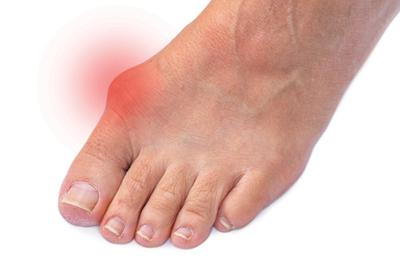
When most people think of a bunion (hallux valgus), they envision a painful, bony bump at the base of the big toe. Often, the blame is placed entirely on "bad shoes" or genetics. While those factors certainly play a role, the cause of a bunion is frequently in the structure and mechanics of the entire foot. At Northside Podiatry in Atlanta, GA, we often find that patients struggling with bunions also present with flat feet (pes planus). This is not a coincidence; the two conditions are deeply interconnected through the complex physics of how we walk.
How Flat Feet Trigger Bunion Formation
To understand the connection, we have to look at the "arch" of the foot. The arch acts like a spring, distributing your weight and providing a stable platform for movement. When you have flat feet, that spring has collapsed or is overly flexible.
- The Overpronation Effect: People with flat feet tend to "overpronate," meaning their feet roll excessively inward as they walk. This rolling motion forces the weight of the body onto the inner edge of the foot.
- Pressure on the Big Toe: As the foot collapses inward, it puts abnormal, repetitive pressure on the joint at the base of the big toe (the first metatarsophalangeal joint).
- The Structural Shift: Over time, this constant pressure forces the big toe to lean toward the second toe. As the toe leans inward, the base of the bone is pushed outward, creating the characteristic "bump" of a bunion. In essence, a bunion is often the result of the big toe joint trying to compensate for an unstable, flat foundation.
The Cycle of Discomfort
The relationship between these two conditions can become a "tug-of-war" that gets worse over time. Flat feet create the mechanical environment for the bunion to form, and once the bunion develops, it changes how you distribute weight even further. This can lead to:
- Increased Inflammation: The misaligned joint becomes irritated, leading to redness and swelling.
- Secondary Pain: Because your gait is altered, you may begin to experience pain in the ball of the foot (metatarsalgia), the heel (plantar fasciitis), or even the knees and lower back.
- Difficulty with Footwear: As the bunion widens the forefoot, finding shoes that accommodate both the flat arch and the protruding joint becomes increasingly difficult.
Integrated Treatment Strategies in Atlanta, GA
At Northside Podiatry, we don't just treat the "bump"; we support the foundation. If we only focus on the bunion without correcting the flat foot mechanics, the problem is likely to return. Our approach includes:
- Custom Orthotics: This is often the most effective non-surgical intervention. High-quality, custom-molded inserts provide the arch support necessary to stop overpronation, taking the mechanical stress off the big toe joint.
- Biomechanical Analysis: We evaluate your gait to see exactly how your foot strikes the ground, allowing us to recommend specific footwear that provides the stability a flat foot needs.
- Surgical Correction: If the bunion has progressed to a stage where conservative care isn't enough, our surgical options focus on realigning the bone and, when necessary, stabilizing the midfoot to ensure the arch doesn't continue to contribute to the deformity.
Protect Your Foundation
Understanding that your bunion may be a symptom of your foot structure will help you get the right kind of relief. By supporting your arch, we can help you walk more comfortably and prevent further progression of the deformity.
If you've noticed a bunion forming and suspect your arches may be part of the problem, the Northside Podiatry team in Atlanta, GA, is here to help. Call us at (404) 843-0090.
- posted: Jan. 12, 2026
When most people think of a bunion (hallux valgus), they envision a painful, bony bump at the base of the big toe. Often, the blame is placed entirely on "bad shoes" or genetics. While those factors certainly play a role, the cause of a bunion is frequently in the structure and mechanics of the entire foot. At Northside Podiatry in Atlanta, GA, we often find that patients struggling with bunions also present with flat feet (pes planus). This is not a coincidence; the two conditions are deeply interconnected through the complex physics of how we walk.
How Flat Feet Trigger Bunion Formation
To understand the connection, we have to look at the "arch" of the foot. The arch acts like a spring, distributing your weight and providing a stable platform for movement. When you have flat feet, that spring has collapsed or is overly flexible.
- The Overpronation Effect: People with flat feet tend to "overpronate," meaning their feet roll excessively inward as they walk. This rolling motion forces the weight of the body onto the inner edge of the foot.
- Pressure on the Big Toe: As the foot collapses inward, it puts abnormal, repetitive pressure on the joint at the base of the big toe (the first metatarsophalangeal joint).
- The Structural Shift: Over time, this constant pressure forces the big toe to lean toward the second toe. As the toe leans inward, the base of the bone is pushed outward, creating the characteristic "bump" of a bunion. In essence, a bunion is often the result of the big toe joint trying to compensate for an unstable, flat foundation.
The Cycle of Discomfort
The relationship between these two conditions can become a "tug-of-war" that gets worse over time. Flat feet create the mechanical environment for the bunion to form, and once the bunion develops, it changes how you distribute weight even further. This can lead to:
- Increased Inflammation: The misaligned joint becomes irritated, leading to redness and swelling.
- Secondary Pain: Because your gait is altered, you may begin to experience pain in the ball of the foot (metatarsalgia), the heel (plantar fasciitis), or even the knees and lower back.
- Difficulty with Footwear: As the bunion widens the forefoot, finding shoes that accommodate both the flat arch and the protruding joint becomes increasingly difficult.
Integrated Treatment Strategies in Atlanta, GA
At Northside Podiatry, we don't just treat the "bump"; we support the foundation. If we only focus on the bunion without correcting the flat foot mechanics, the problem is likely to return. Our approach includes:
- Custom Orthotics: This is often the most effective non-surgical intervention. High-quality, custom-molded inserts provide the arch support necessary to stop overpronation, taking the mechanical stress off the big toe joint.
- Biomechanical Analysis: We evaluate your gait to see exactly how your foot strikes the ground, allowing us to recommend specific footwear that provides the stability a flat foot needs.
- Surgical Correction: If the bunion has progressed to a stage where conservative care isn't enough, our surgical options focus on realigning the bone and, when necessary, stabilizing the midfoot to ensure the arch doesn't continue to contribute to the deformity.
Protect Your Foundation
Understanding that your bunion may be a symptom of your foot structure will help you get the right kind of relief. By supporting your arch, we can help you walk more comfortably and prevent further progression of the deformity.
If you've noticed a bunion forming and suspect your arches may be part of the problem, the Northside Podiatry team in Atlanta, GA, is here to help. Call us at (404) 843-0090.
This website includes materials that are protected by copyright, or other proprietary rights. Transmission or reproduction of protected items beyond that allowed by fair use, as defined in the copyright laws, requires the written permission of the copyright owners.
Northside Podiatry
5671 Peachtree Dunwoody Rd NE Ste 660,
Atlanta, GA 30342-1713